Decorative films have become a popular choice for enhancing the aesthetics of various surfaces, from home interiors to commercial spaces. As a supplier of decorative films, I often encounter a question from customers: Does decorative film fade over time? In this blog, I’ll delve into this topic, exploring the factors that influence fading and how to choose films that maintain their vibrancy. Decorative Film
Understanding the Basics of Decorative Films
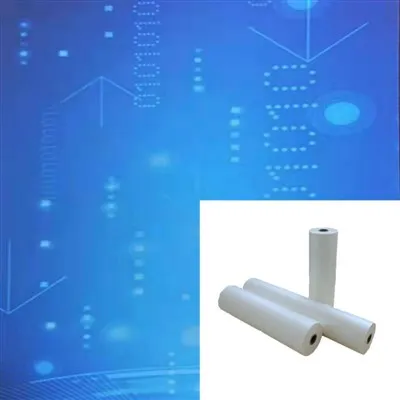
Decorative films are thin, flexible materials that can be applied to different surfaces such as glass, walls, and furniture. They come in a wide range of designs, colors, and textures, offering a cost – effective and versatile way to transform the look of a space. These films are made from various polymers, including polyvinyl chloride (PVC), polyethylene terephthalate (PET), and polyurethane (PU). Each material has its own properties that can affect how it ages and fades.
Factors That Cause Fading
1. Ultraviolet (UV) Radiation
One of the primary culprits behind the fading of decorative films is ultraviolet radiation from sunlight. UV rays can break down the chemical bonds in the pigments used to color the film, causing the colors to fade over time. This is especially true for films that are installed in areas with direct sunlight exposure, such as windows facing the sun.
For instance, if you install a decorative film on a storefront window that gets hours of direct sunlight every day, the film’s colors are likely to start fading within a few months or years, depending on the quality of the film. To mitigate this, many high – quality decorative films are treated with UV inhibitors. These substances absorb or reflect UV radiation, protecting the pigments in the film from damage.
2. Temperature and Humidity
Extreme temperatures and humidity levels can also have an impact on the longevity of decorative films. High temperatures can cause the film to expand and contract, which may lead to cracking or peeling. Additionally, excessive heat can accelerate the chemical reactions that cause fading.
On the other hand, high humidity can create a moist environment that promotes the growth of mold and mildew. These organisms can not only damage the film’s appearance but also weaken the adhesive that holds the film in place. In areas with fluctuating temperature and humidity, such as bathrooms or kitchens, it is crucial to choose a decorative film that is resistant to these conditions.
3. Chemical Exposure
Exposure to certain chemicals can cause decorative films to fade or deteriorate. Cleaning agents, solvents, and even some types of air pollutants can react with the film’s surface, altering its color and texture. For example, abrasive cleaners or those containing strong acids or alkalis can scratch the film and remove its protective layer, making it more susceptible to fading.
How to Choose Fade – Resistant Decorative Films
1. Look for UV – Resistant Films
When selecting a decorative film, check if it has been treated with UV inhibitors. High – quality films often come with a UV protection rating, indicating the level of protection they offer against UV radiation. Films with a higher UV protection rating are more likely to resist fading when exposed to sunlight.
2. Consider the Material
As mentioned earlier, different materials have different properties. PVC films are known for their durability and flexibility, but they may be more prone to fading compared to PET or PU films. PET films are often more resistant to UV radiation and have better dimensional stability, making them a good choice for applications where long – term color retention is important.
3. Check the Manufacturer’s Warranty
A reputable manufacturer will stand behind the quality of their products. Look for a decorative film that comes with a warranty that specifically covers fading. A longer warranty period is usually an indication of the manufacturer’s confidence in the film’s ability to resist fading over time.
Our Experience as a Decorative Film Supplier
At our company, we understand the importance of providing fade – resistant decorative films to our customers. We source our films from the best manufacturers in the industry, ensuring that they meet strict quality standards. Our team of experts carefully selects films that are treated with advanced UV inhibitors and are suitable for various environmental conditions.
We have conducted extensive testing on our products to evaluate their resistance to fading. We expose samples of our films to different levels of sunlight, temperature, and humidity in a controlled environment. Based on these tests, we can provide accurate information to our customers about the expected lifespan of our films and their ability to maintain their color.
In addition to offering high – quality products, we also provide professional installation advice. Proper installation is crucial for the long – term performance of decorative films. We can guide our customers on how to prepare the surface, apply the film correctly, and maintain it to prevent fading and other issues.
Case Studies
Let’s take a look at some real – world examples of how our decorative films have performed over time.
Case 1: A Retail Storefront
A local retail store installed our UV – resistant decorative film on their front window. The window faced south, receiving direct sunlight for most of the day. After three years, the film still looked as vibrant as the day it was installed. The UV inhibitors in the film effectively protected the colors from fading, and the film remained in good condition despite the constant exposure to sunlight.
Case 2: A Bathroom Renovation
A homeowner used our moisture – resistant decorative film in their bathroom renovation. The film was applied to the bathroom walls, which were exposed to high humidity and temperature fluctuations. After two years, there was no sign of fading or mold growth. The film’s resistance to moisture and chemicals ensured its long – term performance in this challenging environment.
Conclusion
In conclusion, while decorative films can fade over time, there are many factors that can influence the rate of fading. By understanding these factors and choosing high – quality, fade – resistant films, you can ensure that your decorative film maintains its color and appearance for years to come.
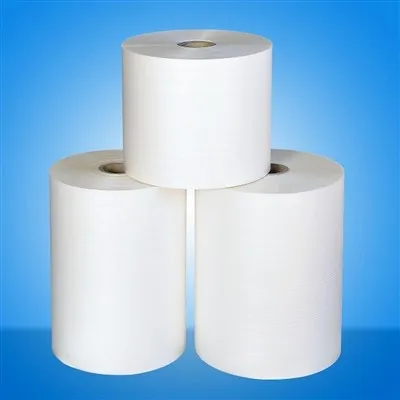
As a decorative film supplier, we are committed to providing our customers with the best products and services. We offer a wide range of decorative films that are designed to resist fading, no matter the application. Whether you are looking to enhance the look of your home or business, our team of experts can help you find the perfect film for your needs.
PET Thermal Lamination Film If you are interested in purchasing decorative films for your project, we invite you to reach out to us. Our sales team is ready to answer your questions, provide product samples, and discuss your specific requirements. Invest in high – quality, fade – resistant decorative films today and transform your space with confidence.
References
- ASTM International. (Year). Standard Test Methods for Evaluating the Durability of Decorative Films. ASTM Publication Number.
- Smith, J. (Year). "The Impact of Environmental Factors on Decorative Film Longevity." Journal of Surface Finishing and Coating Technology, Volume, Pages.
- Manufacturer’s Product Literature. Various manufacturers’ brochures and technical data sheets on decorative films.
Yantai Hongqing Packing Material Co., Ltd.
Yantai Hongqing Packing Material Co., Ltd. is one of the most professional decorative film manufacturers and suppliers in China, also supports customized service. Welcome to wholesale advanced decorative film made in China here and get quotation from our factory. Quality products and reasonable price are available.
Address: Eastern Industrial Park, Taocun, Yantai, Shandong Province, China
E-mail: cindy@ythongguang.cn
WebSite: https://www.hqingnewmat.com/
