Hey there, if you’re here because you’re eyeing polyester stretch fabric and wondering all the color options out there—you’re in the right place. I’ve been in this game for over 10 years now, sourcing and supplying this stuff to everyone from small boutique designers to big sportswear brands, and I still get questions weekly about color availability. Let’s cut the jargon and get real about what’s actually possible, why it works, and what you need to know before you place an order. Polyester Stretch Fabric

First off, let’s not pretend this is some random “pick any color” situation—there’s a science here, and it’s tied straight to what polyester stretch fabric is made of. A lot of folks don’t realize this isn’t just regular polyester; it’s blended with a stretch fiber, usually spandex (or Lycra, like we all call it casually) to give that give. That blend changes how dye interacts with the fabric, and that’s a big part of why some colors are easier to get than others. I see so many people show up with a photo of a neon pink from a competitor and ask for an exact match, but it’s not always that simple. Let’s break this down step by step, starting with the core color categories we supply, then the technical stuff that affects those options, and even a few pro tips I’ve picked up along the way.
First, the go-to color ranges we keep in stock or can produce fast—no custom minimums that’ll make you groan. Let’s start with the basics: solids. This is where 80% of our orders land, honestly. Polyester takes disperse dyes really well, right? Those are the ones that bind to the polyester molecules instead of just sitting on top, so they don’t fade when you wash or stretch the fabric. So solids cover every neutral you can think of—black, white, gray (light, medium, charcoal), navy, beige, cream, taupe. Then the brights: red, royal blue, forest green, teal, magenta, orange, yellow. Pastels too—pale pink, lavender, mint, baby blue. We even stock heather solids, which are that soft, marled look (like heather gray, heather navy) that’s super popular for loungewear and tees. The cool thing about heather is the polyester and spandex blend takes the dye a little differently, so it’s not just a flat color—adds that subtle depth people love.
Then we move into prints, which is where things get fun. A lot of people think prints are only for the big brands, but we do small-run prints all the time, no 1,000-yard minimum (I hate those, by the way—small designers shouldn’t get screwed on that). What colors work best for prints on polyester stretch? First, full-color custom prints—think photos, logos, intricate patterns. Since we use digital printing mostly now, that’s easy. We can do literally any RGB color, but wait—there’s a catch. The base fabric color matters. If you need a neon print on a white base, that pops, but if you try neon on a gray base, it’ll be muted. Also, for darker prints, like a deep navy print on a black base? That works for solid designs, but fine lines might blur because the dye can’t penetrate quite the same. Then there’s the popular watercolor prints, tie-dye, camouflage, floral, geometric—we’ve done all of those. A lot of our sportswear clients love gradient prints, too, and polyester stretch holds that gradient way better than cotton or regular polyester because the blend doesn’t shift as much when stretched.
Now, let’s get into the colors that are trickier, because that’s what I get asked about the most. Neon and fluorescent colors—yes, they’re available, but not all of them. The disperse dyes that make neon shades require specific chemical additives to make that bright, luminous glow, and they don’t play well with all spandex blends. If the spandex content is over 10%, sometimes the neon dye doesn’t bond properly, so it fades after 2-3 washes. We fixed that a while back by switching to a modified spandex that’s treated to take neon dyes, and now we have neon pink, lime green, orange, and yellow that hold up great—just ask anyone who’s used our fabric for running shorts. We can’t do neon pastels, though—those don’t exist, not with polyester stretch. Pastel neons would be way too faint, and they’d wash out immediately.
Then there’s metallic and iridescent colors. Metallic polyester stretch—we have that, in gold, silver, bronze, and even a matte metallic (no that’s not a contradiction, it’s a dye that gives a metallic sheen without the glitter that flakes off, which is a huge win). Iridescent is a little newer, and it’s only available in lighter blends—like white base with an iridescent sheen, or pale blue, pale pink. Dark base iridescent just doesn’t show up; the dye can’t create that shifting color on a deep black or navy. We tried that once for a costume client and it was a total flop, so we stopped offering that. Also, high-shine black—wait, not the regular solid black, that’s fine. A patent-leather-like black shine? That’s available, but it’s a coated finish, not a dye, and you have to be careful with stretching it too much because the coating can crack. We only do that for specific applications, like dancewear, because yoga pants would stretch too much and mess up the finish.
Now, let’s talk about the technical stuff that drives all this, because if you’re ordering, you should know why. Polyester is a synthetic polymer, so disperse dyes are the standard here—they’re tiny molecules that get forced into the polyester’s molecular structure under heat and pressure. Spandex is polyurethane, which takes different dyes (sometimes reactive, sometimes acid, depending on the blend). That’s why the stretch percentage matters so much. If your fabric is 95% polyester / 5% spandex (super common for leggings), that spandex is low enough that disperse dyes work almost the same as pure polyester, so you get every color we offer. If it’s 70% polyester / 30% spandex (super stretchy, for things like swimwear or compression wear), that higher spandex content means we have to use a mix of dyes to get the color right—so some of the more extreme colors (like neon) might be limited, or take a little longer to produce. We always test a swatch for color fastness when we do custom blends, so you don’t end up with fabric that fades to a weird gray after one wash.
Another thing a lot of new clients don’t mention: color fastness to stretch. If you’re making something that gets pulled (leggings, swimwear, sports bras), the color shouldn’t shift when you stretch it. With polyester stretch, because the dye is bonded to the polyester and not just sitting on the surface, that’s way less of an issue than cotton stretch, where the dye can rub off when stretched. We do all our color testing per standard textile industry norms, so you don’t have to worry about that. I’ve had a client send back a batch once that said the red faded, and it turned out they were washing it with bleach—bleach eats synthetic dyes, that’s not a fabric problem, that’s a user error. I always tell people to check the care instructions (which I include with every order) and avoid bleach, hot water, and fabric softeners, and the color will stay.
Now, what about custom colors? That’s the big one for brands that need a specific shade to match their logo or a design. Can we do that? Absolutely, but here’s the deal: for solid custom colors, the minimum is usually 500 yards, and it takes about 2 weeks longer than stock colors. We use a spectrophotometer to match the exact Pantone color you send us, so it’s not a guess. We’ll send you a physical swatch of the custom color before we produce the full order, so you can sign off on it, no surprises. For custom prints, same thing—send us your artwork, we’ll print a small sample, adjust colors if needed, then go to full production. We even do color matching for pantone t-shirts if you want to pair our fabric with your existing garments, that’s no problem.
Wait, let’s address some myths I hear all the time. “Polyester stretch only comes in basic colors” — nope, we have over 120 stock colors, not counting custom. “Dark colors fade fast” — not with our disperse dye process. Our black is so deep, I’ve had clients say it’s darker than cotton black they’ve used before. “You can’t do white polyester stretch without it being see-through” — that’s a fabric weight thing, not a color thing. We stock white in 180 gsm (medium weight, perfect for leggings) and 220 gsm (thicker, for tops) so it’s not see-through. The white dye is bright, not yellowish, because we use optical brighteners that don’t wash out.
Let’s also talk about what we see trending right now, because that affects color availability. This year, muted earth tones are huge—olive green, terracotta, burnt sienna, dusty blue. We stocked those in January and they sold out in 3 months, so we just added them to regular stock. Also, monochrome looks—same color fabric and trim, so we do custom color trim to match any fabric color, which is a bonus. For the sportswear side, neon brights are still big for high-visibility gear, and pastels are popping for loungewear. We even did a custom line of lavender polyester stretch for a small bridal brand to make matching undergarments for bridesmaids, that was a fun one.
Now, before you go planning your order, a few pro tips from someone who’s been doing this long enough to know the pitfalls. First, order color swatches before you commit to a big order. Screen colors are never 100% accurate—what looks like royal blue on your laptop might be a bright cobalt or a deeper navy in real life. We’ll send up to 10 free swatches (within reason, no 50 swatches please) so you can match them to your design. Second, if you need a super specific color, reach out early—custom orders take time, especially if you need to adjust the shade. Third, test the color for your end use. If you’re making something that will be in direct sunlight a lot (like swimwear or outdoor gear), ask for a light fastness test—we can do that for a small fee, so the color doesn’t fade if it’s left in the sun.
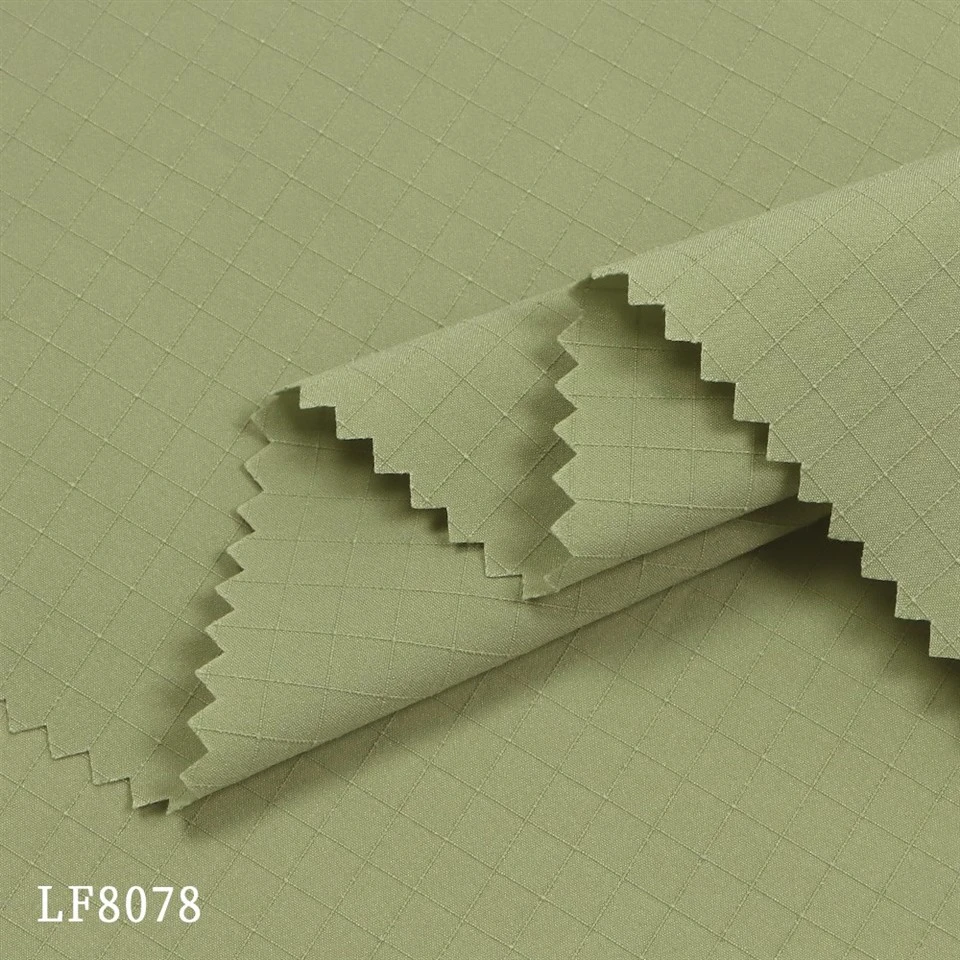
I could go on for hours about the chemistry of dyeing polyester stretch, but that’s probably more than you want. The short version is: we’ve got almost every color you can imagine, as long as you understand the small factors that make some colors easier to get than others. No, we don’t do neon pastels or deep black iridescent, but we do everything else from basic neutrals to custom full-color prints. If you’re tired of settling for fabric that’s only available in 10 boring colors, or if you need a custom shade to make your brand stand out, hit us up to chat through your needs. I don’t do the endless automated sales calls—you’ll talk to someone who’s actually been dyeing and selling this fabric for years, who can answer your questions and help you get the right color for your project. We work with small startups and big names alike, so no order is too small or too big. Don’t waste time guessing if your color is available—reach out, and let’s make it happen.
Polyester Crepe Fabric References:
- Textile Institute. (2021). Dyeing of Synthetic Fibers: Disperse Dyes for Polyester and Blends. Textile Progress, Vol. 53, No. 4, pp. 297-342.
- Society of Dyers and Colourists. (2022). Color Fastness Testing for Stretch Textiles. SDC Technical Manual for Textile Coloration.
- ASTM International. (2020). Standard Test Method for Color Fastness to Light of Textiles (Mercury Lamp Method). ASTM D1148-20.
Shaoxing Huichao Textile Co., Ltd.
As one of the most professional polyester stretch fabric manufacturers and suppliers in China, we offer a wide range of products with superior quality. Please feel free to wholesale bulk high-end polyester stretch fabric in stock here from our factory. Good service and reasonable price are available.
Address:
E-mail: darrenzhong@huichaotextile.com
WebSite: https://www.huichao-textile.com/
