If you’ve ever spent time caring for wisteria in a cold climate—think zones 5b to 7a, where winter lows can drop to -15°F (-26°C) and wind chills add even more stress—you know this vigorous, fragrant vine is equal parts rewarding and demanding. Wisteria is a heavy grower, with thick, woody stems and dense foliage that can reach 30 feet or more in just a few years. That makes choosing the right support not just a matter of aesthetics, but of survival: a flimsy or poorly designed support can crack under the plant’s weight, snap during a winter storm, or fail to shield the vine from frost damage. As a supplier of climbing plant supports, I’ve worked with hundreds of gardeners, landscapers, and small-scale growers in cold regions, and I’ve seen firsthand which stands the test of time—and which lead to heartbreak when spring thaw arrives. Climbing Plant Supports

Before we dive into the best supports, let’s get one critical detail straight: wisteria in cold climates has specific structural needs that differ from vines like clematis or ivy. Unlike vines that cling with tiny tendrils or adhesive pads, wisteria wraps its twining stems around supports as it grows. That means the support’s surface needs to be rough enough for stems to grip, and its overall structure has to be strong enough to hold up to 50+ years of steady growth (yes, wisteria is a long-lived plant—its support is a long-term investment). It also needs to protect the vine’s woody base and main stems from the harsh freeze-thaw cycles that plague cold winters, where temperatures swing from mild daytime warmth to frigid night air, causing water to expand and crack weak materials.
Let’s start with my top recommendation for cold climates: Heavy-Duty Galvanized Steel Trellises. I know steel sounds industrial, but it’s the gold standard for wisteria in zones that see regular winter frost. Here’s why it works so well. First, galvanized steel is coated in a zinc layer that resists rust, even when exposed to snow, ice, and salt used to melt icy sidewalks (a common winter staple in cold regions). Many cheaper metal supports can rust through in 5 to 10 years, but galvanized steel can last 30+ years without corroding—critical for a wisteria that will outlive multiple generations of flimsy wooden trellises. Second, you can get galvanized steel trellises designed specifically for wisteria, with wide, spaced horizontal and vertical bars (typically 6 to 8 inches apart) that give the thick, woody stems room to wrap without rubbing. Tight spacing can chafe stems, especially during winter growth spurts when the vine is pushing new shoots, leading to open wounds that are prone to frost damage and disease.
What I love most about working with gardeners in cold regions is that galvanized steel also solves a hidden problem: it doesn’t absorb or release moisture like wood, which means it doesn’t freeze and thaw unevenly. Wooden trellises, no matter how well-treated, will hold moisture in their grain during winter, and when that water expands, the wood cracks, splinters, or warps. Splintered wood can also damage wisteria stems, creating entry points for cold or rot that can kill parts of the vine during a harsh winter. Another perk: galvanized steel trellises can be customized to fit the size of your wisteria. We often work with landscapers to build steel arbors, pergola posts, and wall-mounted frames that are 10 to 15 feet tall—perfect for letting wisteria grow up and out without crowding your home or landscape. The only small downside? Galvanized steel does get slightly cold to the touch during deep freezes, but that’s never been an issue for the wisteria itself—just something to keep in mind if you’re installing it near a path where you’ll brush against it.
Next up: Pressure-Treated Wood Pergola Beams and Posts. Wait, didn’t I just say wood was bad? Let me clarify: not all wood is equal. Pressure-treated wood that’s rated for ground contact (or for exterior use with heavy loads) is the only wood I’d recommend for wisteria in cold climates. The key here is the treatment process—pressure forcing preservatives deep into the wood grain to prevent rot, insect damage, and warping, which are all accelerated by freeze-thaw cycles. Pine or cedar wood, which are popular for lighter vines, simply don’t hold up to wisteria’s weight or cold winters. I’ve seen a untreated cedar arbor collapse under a mature wisteria’s snow-laden foliage during a zone 5 winter storm—there wasn’t even a heavy snowfall, just the extra weight of mature growth clinging to weak wood.
Pressure-treated wood’s rough surface is perfect for wisteria’s twining stems, too. The natural texture of the wood gives stems plenty to grip, and if you seal it with a weather-resistant sealer every 5 to 7 years, it will last 20 to 25 years. Where wood shines is in aesthetics: a stained wood pergola or trellis blends seamlessly with traditional gardens, stone walls, or cottage-style homes, which is why many landscapers in cold regions pair pressure-treated posts with steel crossbars for the best of both worlds—strong support that looks natural. The one caveat? Make sure the wood is rated for structural use. I’ve had customers come to me with cheap, non-pressure-treated wood supports that split in their first winter, and it’s almost always because the wood wasn’t designed to hold heavy, year-round weight. If you go the wood route, invest in thick posts (at least 6×6 inches for wisteria) and avoid any wood that’s cut to size without professional milling.
Now, let’s talk about two supports I recommend avoiding for wisteria in cold climates—because I’ve seen too many gardeners make these mistakes. First, lightweight PVC or vinyl trellises. These look durable, but they’re not. PVC can crack at temperatures below 20°F (-7°C), and while it doesn’t rust, it can’t hold the weight of a mature wisteria. I had a customer in zone 6a tell me their PVC trellis split completely during a January thaw, when sunlight heated the plastic and made it expand, then it cooled rapidly at night, causing it to snap. The wisteria survived, but it took two years to regrow the stems that tore off. Second, chain-link fencing. While chain-link is strong, its smooth surface doesn’t give wisteria stems enough to grip. The vine will struggle to wrap around the metal, leading to loose growth that can sag under snow, and over time, the stems can become constricted as the wisteria thickens, causing girdling that kills parts of the plant. Chain-link works for lighter vines, but not for wisteria.
If you’re looking for a more flexible option—say, if you’re training a young wisteria up a wall or across a smaller garden space—there’s another great choice: Powder-Coated Metal Wire Systems. Wait, wire? Hear me out. When installed correctly, a heavy-gauge (at least 12-gauge) powder-coated steel wire support is perfect for wisteria in cold climates. The powder coat resists rust, and the wire has a slightly rough texture that stems can wrap around, unlike smooth wire. The trick here is to install the wires vertically, spaced 12 to 18 inches apart, secured to strong anchors (like concrete posts or wall-mounted brackets) that can hold the vine’s weight. I recommend using stainless steel wire, because even powder-coated can scratch over time, leaving bare metal that rusts. In cold regions, this system is great because it’s low-profile—you can mount it flush against a house wall, so it doesn’t add bulk, and it doesn’t absorb moisture like wood. It’s also easy to adjust as the wisteria grows, which is a plus for young vines that are still finding their way. The only thing to watch for? Don’t stretch the wire too tight during installation, because it can contract in cold weather and pull away from the wall, creating gaps that the wisteria can’t grip.
So, how do you choose the right support for your specific cold climate? Let’s break it down by factors I talk through with every customer. First, the size and age of your wisteria. A young wisteria (under 5 years old, before it starts blooming heavily) can get by with a smaller galvanized steel trellis or wire system, but a mature, blooming wisteria will need a pergola or arbor to hold its weight. Second, your hardiness zone. In zones 5b and colder, where winters are longer and harsher, galvanized steel and pressure-treated wood are non-negotiable—cheaper materials will fail. In zone 7a, you might get away with a heavier vinyl trellis, but I still don’t recommend it for long-term growth. Third, your landscape goals. If you want a statement piece, a wooden pergola with steel supports will add value and curb appeal. If you’re looking for a functional, low-maintenance option for a side yard or garage, a steel wire system is ideal.
One final tip for cold climate wisteria care, tied directly to supports: add a layer of mulch around the base of the support to insulate the wisteria’s roots during winter. Even the strongest support can’t protect the plant if its roots freeze, and a 2 to 3 inch layer of bark mulch or straw around the base will help regulate soil temperature. That’s a small step, but it’s one I emphasize to every gardener I work with, because a healthy root system means a healthy vine that can thrive through harsh winters.
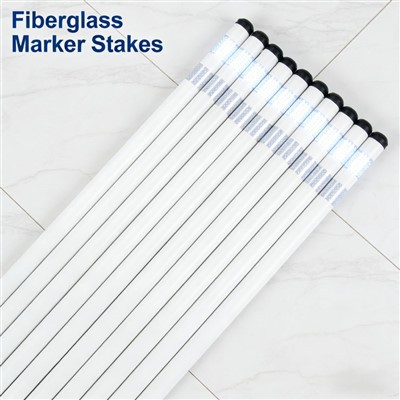
Marker Stakes If you’re ready to invest in a support that will protect your wisteria for decades, or you’re not sure which option is right for your space, reach out to our team to discuss your needs. We work with gardeners, landscapers, and commercial growers across cold regions to design and install custom supports tailored to wisteria’s unique needs. Whether you need a small wall-mounted wire system for a young vine, a large arbor for a mature plant, or a custom pergola for your landscape, we have the products and expertise to help you create a space where your wisteria can thrive, even in the coldest months.
References
- Dirr, M. A. (2009). Manual of Woody Landscape Plants: Their Identification, Ornamental Characteristics, Culture, Propagation and Uses. Stipes Publishing LLC.
- Gilman, E. F. (2015). Wisteria sinensis: Chinese Wisteria. University of Florida Extension.
- Himelrick, D. G. (2002). Supporting Vines in the Home Garden. Alabama Cooperative Extension System.
- Perry, L. (2021). Winter Care for Perennial Vines in Cold Climates. Midwest Gardening Association.
Yizheng Wanteng Composites Co., Ltd.
As one of the most professional climbing plant supports manufacturers and suppliers in China, we’re featured by quality products and good service. Please rest assured to wholesale bulk slip-resistant climbing plant supports for sale here from our factory. Contact us for pricelist.
Address: No. 20 Longyi Road, Qingshan Town Industrial Park, Yizheng City, Jiangsu Province, China
E-mail: mark@wantfrp.com
WebSite: https://www.wantfrp.com/
